

SaaS & Startups
From the first prototype to a platform that holds up under growth: a senior team for founders without one yet.
MVP & Product Development
We help founders cut a product down to the version worth launching, build it to a standard that will not need a rewrite, and get it in front of users while the answer still matters.
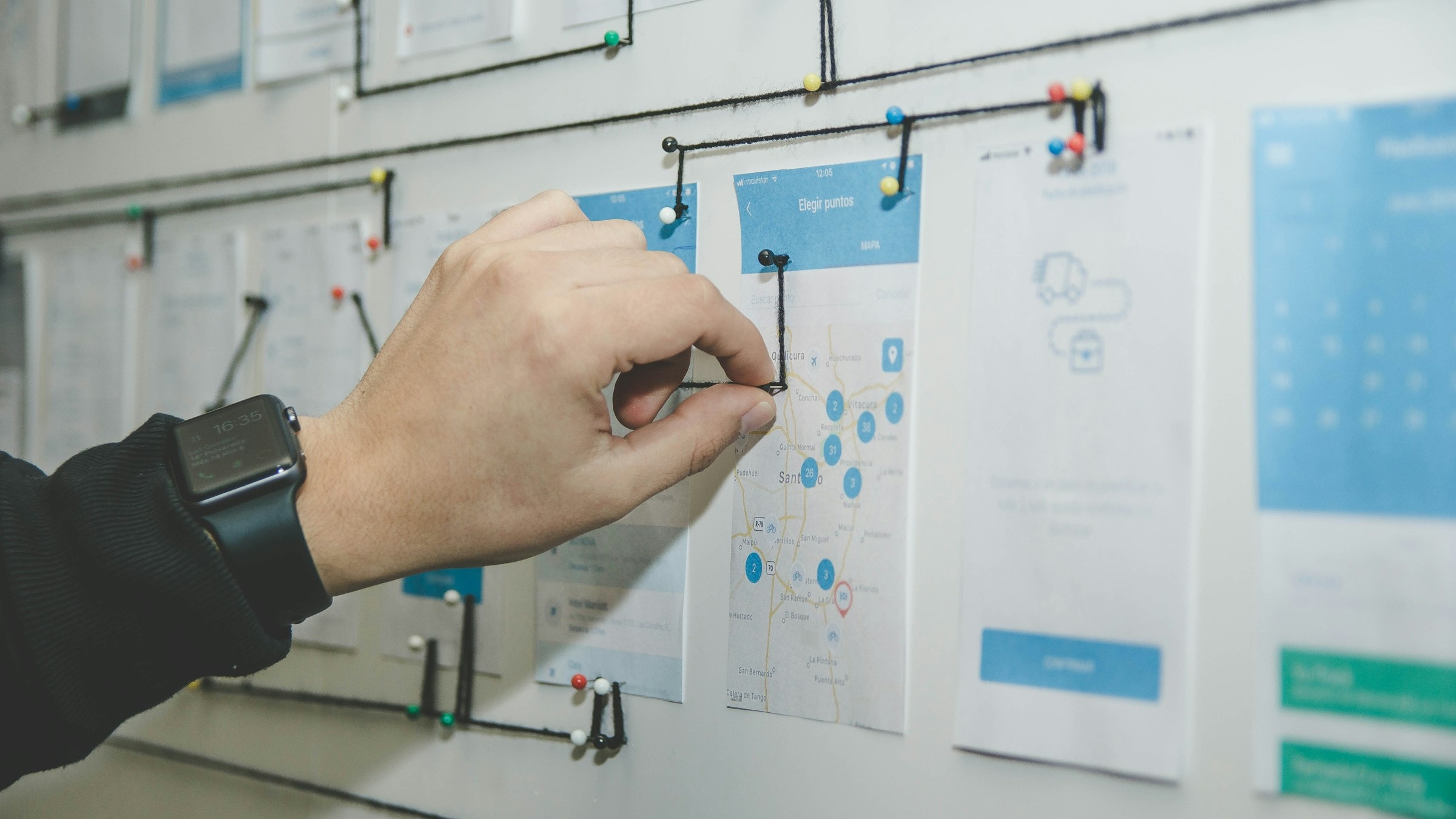
The purpose of a first version is to find out whether anyone wants the thing. Every feature that does not help answer that question delays the answer and spends money you may need for the second attempt.
So we start by naming the assumption that would sink the business if it were wrong, and scope the smallest product that tests it honestly. Minimum does not mean flimsy, though. The foundations are built to be kept.
What you end up with
A launched MVP that tests your riskiest assumption, on a codebase you can keep building on rather than throw away.
The difference
One is everything the product might be someday. The other is what you need to learn first.
What we build
Pick by how much you already know about your users.
Interviews, a landing page and a clickable prototype to test demand before any production code is written.
Design and engineering of a launchable first version on web, mobile or both, with billing and analytics included.
Turning a no-code build, a proof of concept or a hackathon project into something that can carry real customers.
A standing team working through the roadmap as usage data arrives, on a monthly retainer.
Process
Each phase ends with something you can see, use or sign off.
We work out what has to be true for the business to work and define how the MVP will measure it.
Features are sorted into must-have, later and never. You get a fixed price for the must-haves.
A clickable prototype goes in front of target users. Cheap changes happen here, before the build.
Two-week sprints with a working build each time, then a launch with analytics and error tracking live.
We review the numbers with you and recommend the next step: double down, change direction or stop.
Stack
Defaults, not dogma. If you already run something else, we work within it.
Timelines
Typical ranges for well-scoped work. Discovery comes first and produces a fixed quote and a date.
1–2 weeks
Prototype, user sessions and a scoped build plan.
6–10 weeks
One platform, core workflow, billing and analytics.
10–14 weeks
Shared backend with a web app and cross-platform mobile app.
Industries
From the first prototype to a platform that holds up under growth: a senior team for founders without one yet.

Learning platforms, course marketplaces and school tools that keep learners engaged and instructors in control.
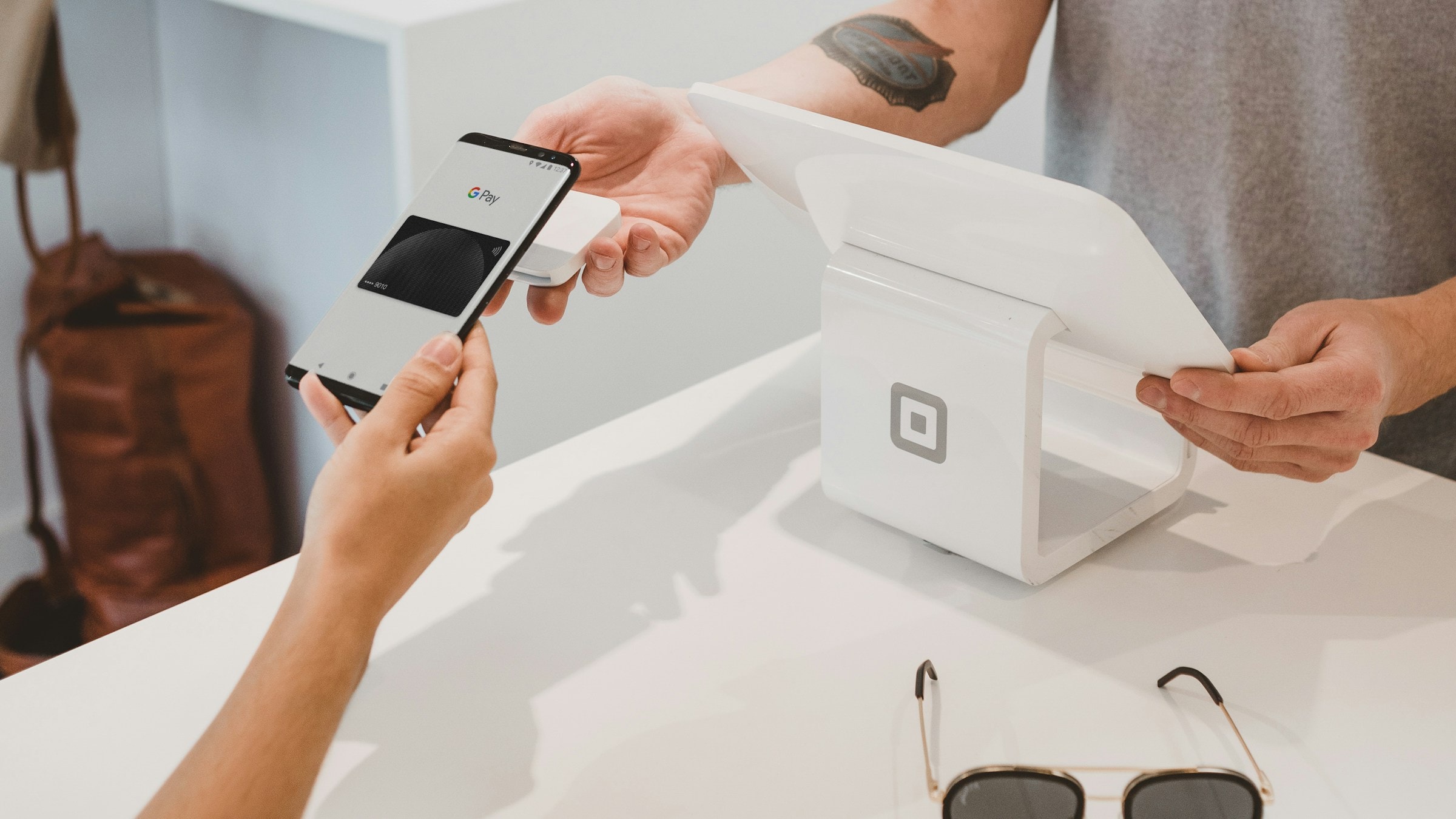
Payments, lending and finance tooling where correctness, auditability and security are the product.
FAQ
Yes, provided the scope is honest about it. We would rather ship a sharp first version that proves the idea than spend a seed round on a platform nobody has validated.
No. We explain decisions in plain language, document what was built and why, and can help you hire or brief an in-house engineer when the time comes.
It should not. We keep the feature set small, not the engineering standards: the data model, authentication and deployment pipeline are built to be extended.
Discovery starts at $2,500 and produces a fixed quote. Most MVP builds fall in the lower half of our usual project range, depending on platforms and integrations.
It often does, and that is the process working. Two-week sprints mean there is a natural point to change direction, and change requests are priced openly.
Next step
Tell us the problem in a few sentences. We will reply within one business day with an honest read on scope, cost and whether we are the right team for it.