

Skip to content
DebuggersEdge

SaaS Development

SaaS products built to keep the customers they win.

Launching fast is the easy part. We engineer the tenancy, billing and onboarding that decide whether a subscription product is still standing, and still shippable, a year in.

SaaS Development
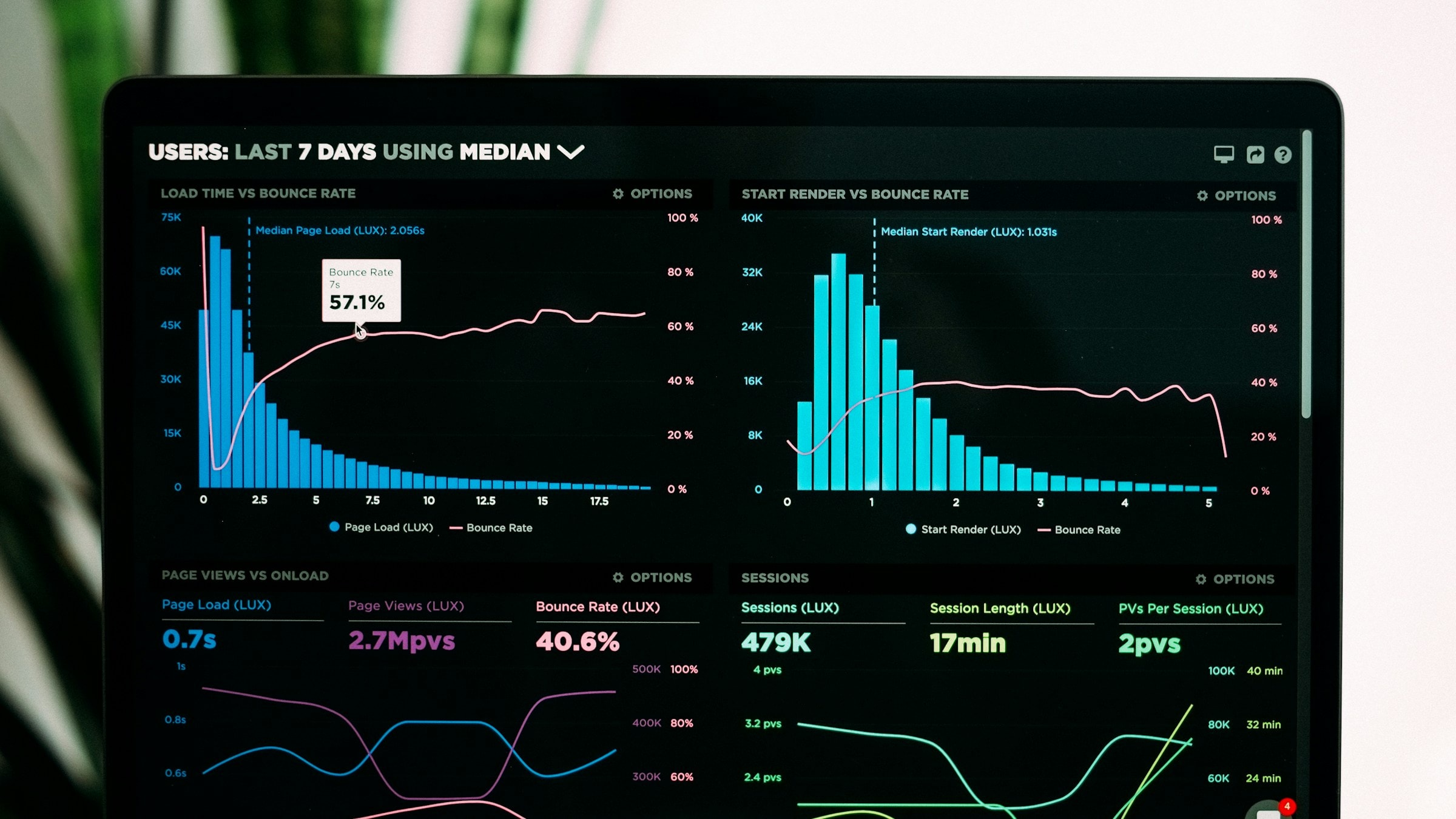
A laptop showing a dark analytics dashboard with charts
SaaS Development

Subscription products are judged every month.

A one-off sale forgives rough edges. A subscription does not: customers decide again at every renewal, and they expect frictionless onboarding, steady performance and updates that never take the service down.

That changes what matters in the first version. Decisions about tenancy, billing and permissions are cheap in week two and brutally expensive in month ten, so we make them deliberately and up front.

Included

  • Multi-tenant data model with isolation you can explain to a security reviewer
  • Subscription billing, trials, plan limits and dunning through Stripe or Paddle
  • Roles, permissions, SSO and audit logs for the customers who ask for them
  • Onboarding flows and product analytics tied to activation, not vanity metrics

What you end up with

A subscription product in production with tenant isolation, billing, an admin console and the architecture to grow past its first thousand accounts.

The difference

A web app vs. a SaaS platform

Plenty of products start as the left column and discover the right one the hard way.

Web app with a login

  • One customer's data model stretched to fit everyone
  • Billing handled by invoices and a spreadsheet
  • Releases announced in advance, with downtime
  • Permissions are admin or not-admin
  • New customers onboarded by hand on a call

SaaS platform

  • Tenant isolation designed in, with a clear path to per-tenant scale
  • Plans, trials, usage limits and failed-payment recovery automated
  • Continuous deployment with zero-downtime migrations
  • Roles, teams, SSO and an audit trail
  • Self-serve signup that gets a user to value without you

What we build

The spectrum of SaaS products

The architecture depends heavily on who is buying and how. These are the four we build most.

  1. Multi-tenant platforms

    One codebase serving many organisations, with shared infrastructure, isolated data and per-plan feature gating.

  2. Vertical SaaS

    Products built around one industry's workflow: its terminology, its compliance rules and the integrations that industry already depends on.

  3. Internal tools turned products

    The system your team built for itself, rebuilt so other companies can sign up, pay and run it without your help.

  4. API-first products

    Products where the API is the product: keys, quotas, usage metering, webhooks, versioning and documentation developers will actually read.

Process

How the work runs, phase by phase.

Each phase ends with something you can see, use or sign off.

  1. Product strategy mapping

    Who pays, for what, and what gets them to their first moment of value. This shapes pricing tiers and the scope of version one.

  2. Architecture and platform design

    Tenancy model, auth, billing and data boundaries decided and written down before feature work begins.

  3. MVP to production pipeline

    The smallest version someone will pay for, shipped on real infrastructure with CI/CD, monitoring and backups from day one.

  4. Full platform build

    Admin console, team management, integrations, notifications and the rest of what paying customers ask for in their first months.

  5. Post-launch scaling

    Performance work, cost tuning and roadmap delivery driven by real usage data rather than guesses.

Stack

The tools we reach for.

Defaults, not dogma. If you already run something else, we work within it.

Frontend
  • Next.js
  • React
  • TypeScript
  • Tailwind
Backend
  • Node.js
  • NestJS
  • Python
  • GraphQL / REST
Data
  • PostgreSQL
  • Redis
  • Row-level security
  • Prisma / Drizzle
Infrastructure
  • AWS
  • Vercel
  • Docker
  • Terraform
Billing & auth
  • Stripe
  • Paddle
  • Auth0 / Clerk
  • SAML SSO

Timelines

How long it usually takes.

Typical ranges for well-scoped work. Discovery comes first and produces a fixed quote and a date.

SaaS MVP

8–12 weeks

Core workflow, signup, billing and a basic admin surface.

Growth-ready platform

12–16 weeks

Teams, roles, integrations, analytics and onboarding polish.

Platform rebuild

Scoped in discovery

Migrating a live product to a sound tenancy and billing model without downtime.

Case studies

Where we have done this before.

Industries

Sectors where this comes up most.

A team's laptops, phones and notebooks spread across a shared table, seen from above

SaaS & Startups

From the first prototype to a platform that holds up under growth: a senior team for founders without one yet.

A customer tapping a phone on a card reader to pay

Fintech

Payments, lending and finance tooling where correctness, auditability and security are the product.

A student wearing headphones studying at a laptop

Education & E-Learning

Learning platforms, course marketplaces and school tools that keep learners engaged and instructors in control.

FAQ

SaaS Development: common questions.

What is the difference between a SaaS product and a regular web app?

A SaaS product serves many customers from one deployment and charges them on a recurring basis. That brings requirements a single-customer web app never meets: tenant isolation, subscription billing, plan limits, self-serve onboarding and deployments that cannot take everyone offline.

Do you work with startups or established companies?

Both. For a startup we focus on the narrowest version worth paying for. For an established company the work is usually a new product line or a rebuild of a platform that has outgrown its first architecture.

How long does a SaaS MVP take?

Typically 8 to 12 weeks after discovery for a focused MVP with billing and onboarding. A broader platform with teams, integrations and reporting usually runs 12 to 16 weeks.

Do you handle hosting and deployment?

Yes. We set up cloud infrastructure in accounts you own, with CI/CD, monitoring, backups and documented runbooks. You can keep us on to operate it or take it in-house.

Can you take over a SaaS product someone else built?

Often. We start with a paid audit covering tenancy, billing and deployment risk, then give you a costed plan: stabilise, refactor in place, or rebuild the parts that cannot be saved.

Next step

Have something that needs building?

Tell us the problem in a few sentences. We will reply within one business day with an honest read on scope, cost and whether we are the right team for it.