


Skip to content
DebuggersEdge

Full-Stack Web Development

Full-stack web development, front end to database.

One team owning the interface, the API, the data and the deployment, so a feature is finished when it is live, not when the front end is waiting on someone else's endpoint.

Full-Stack Web Development
Colour-highlighted web code on a dark screen
Full-Stack Web Development

Fast on launch day is easy. Fast in year two is engineering.

Most web apps start quick and slow down one feature at a time: another client-side library, another unindexed query, another page that fetches everything. Nobody decides to ship a slow product. It accumulates.

We hold performance, accessibility and search visibility as acceptance criteria on every pull request, backed by automated checks. It is cheaper to keep a product fast than to make it fast again.

Included

  • Next.js and React front ends with a design system, not one-off screens
  • APIs, auth, roles and integrations wired into Postgres or your existing backend
  • Core Web Vitals, accessibility and SEO treated as acceptance criteria
  • Deployment on Vercel or AWS with preview environments per pull request

What you end up with

A production web app with authentication, an admin surface and the performance budget to rank and convert.

The difference

A collection of pages vs. a web platform

The gap shows up the first time you need to change something across the whole product.

Collection of pages

  • Each screen styled and built from scratch
  • Business logic scattered through the front end
  • Deployed by hand, tested by clicking around
  • Performance checked once, before launch
  • Accessibility treated as a later phase

Web platform

  • A component library and design tokens shared by every screen
  • A typed API layer with validation at the boundary
  • Preview environment and automated tests on every pull request
  • Performance budgets enforced in CI
  • WCAG-aware components from the first sprint

What we build

What we build on the web

Different products, same standards for speed, accessibility and maintainability.

  1. Web applications and dashboards

    Data-heavy tools with roles, filters, exports and real-time updates, built so the hundredth screen is as consistent as the first.

  2. Marketing and content sites

    Fast, search-friendly sites on a headless CMS your marketing team can edit without filing a ticket.

  3. Customer and partner portals

    Authenticated portals over your existing systems (orders, documents, bookings, billing) with permissions that match how you actually work.

  4. APIs and backend services

    REST and GraphQL services, background jobs, webhooks and third-party integrations, documented and versioned.

Process

How the work runs, phase by phase.

Each phase ends with something you can see, use or sign off.

  1. Discovery and architecture

    Requirements, data model and integration points mapped, with rendering and hosting choices explained in plain terms.

  2. Design system first

    Tokens and core components established before screens, so the product stays consistent and later features are faster to build.

  3. Vertical slices

    Each sprint delivers a complete feature (interface, API, data and tests) to a preview URL you can click through.

  4. Quality gates

    Automated tests, accessibility checks and performance budgets run on every change, not in a final scramble.

  5. Launch and iterate

    Production deployment with monitoring, error tracking and analytics, followed by iteration on real usage.

Stack

The tools we reach for.

Defaults, not dogma. If you already run something else, we work within it.

Frontend
  • Next.js
  • React
  • TypeScript
  • Tailwind
Backend
  • Node.js
  • NestJS
  • Python
  • FastAPI
Data
  • PostgreSQL
  • Redis
  • Prisma / Drizzle
  • Elasticsearch
Content
  • Sanity
  • Contentful
  • Strapi
  • MDX
Delivery
  • Vercel
  • AWS
  • GitHub Actions
  • Playwright

Timelines

How long it usually takes.

Typical ranges for well-scoped work. Discovery comes first and produces a fixed quote and a date.

Marketing site

3–6 weeks

Designed, built on a CMS and launched with analytics and SEO in place.

Web application

8–14 weeks

Auth, roles, core workflows, admin and integrations.

Platform modernisation

Scoped in discovery

Incremental migration of a legacy front end or backend, shipped in stages.

Case studies

Where we have done this before.

A lorry on an open road under a clear sky

Logistics

An offline-first mobile app for crews with no signal

Technicians filled in paper job sheets that were re-typed into a spreadsheet two days later, so dispatch never knew what had actually been completed.

Job data available same-day instead of after 48h
A bright, empty clinic reception desk

Healthcare

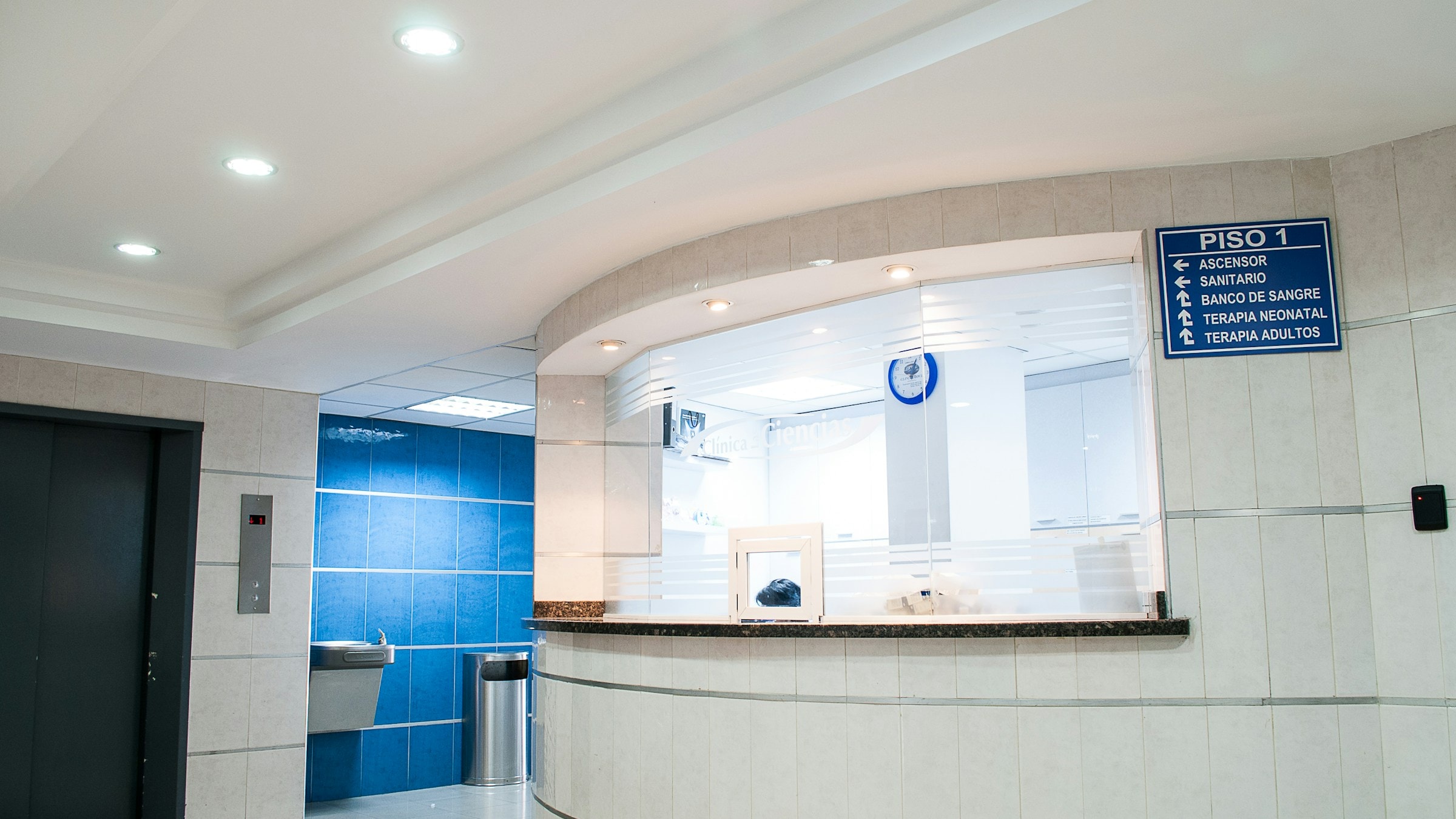
Replacing three tools with one booking platform

Scheduling, reminders and payments lived in three disconnected systems, and reconciling them was somebody's entire Friday.

No-shows reduced by automated reminders

Industries

Sectors where this comes up most.

A customer and a shopkeeper at a point-of-sale tablet

Retail & E-Commerce

Storefronts, apps and back-office tooling that load fast, convert and stay in sync with inventory.

A team's laptops, phones and notebooks spread across a shared table, seen from above

SaaS & Startups

From the first prototype to a platform that holds up under growth: a senior team for founders without one yet.

A student wearing headphones studying at a laptop

Education & E-Learning

Learning platforms, course marketplaces and school tools that keep learners engaged and instructors in control.

FAQ

Full-Stack Web Development: common questions.

Which stack do you use?

Our default is Next.js and TypeScript on the front end, Node.js or Python on the back end and PostgreSQL for data. It is widely understood, easy to hire for and well supported. If you already have a stack, we work within it rather than pushing a rewrite.

Can you work with our existing backend?

Yes. Many engagements are a new front end over an existing API, or new services alongside a system that stays in place. We integrate rather than replace wherever that is the cheaper path.

Will the site rank and load quickly?

Core Web Vitals, semantic markup, metadata and structured data are acceptance criteria rather than optional extras. We set a performance budget at the start and enforce it automatically.

Do you build the content management side?

Yes. We set up a headless CMS with content models that match your pages, previews for editors and guardrails so the layout cannot be broken by accident.

Who hosts it?

You do, in accounts you own. We typically deploy to Vercel or AWS, configure the pipeline and hand over documented access. Moving providers later is a configuration job, not a rebuild.

Next step

Have something that needs building?

Tell us the problem in a few sentences. We will reply within one business day with an honest read on scope, cost and whether we are the right team for it.